


Tensions between the United States and Iran have escalated sharply after U.S. forces reportedly struck three Iranian oil tankers in the Gulf region.
The attacks are the latest development in an increasingly dangerous confrontation between Washington and Tehran, with Iran warning that continued U.S. military action could trigger further retaliation.
One of the reported strikes took place near Kharg Island, a major Iranian oil-export hub. The United States says the action followed an Iranian missile attack targeting two U.S. Navy vessels.
U.S. officials say the warships avoided the incoming missiles and that no American personnel were injured.
Iran has strongly condemned the strikes, with officials warning that further attacks on Iranian vessels or infrastructure could lead to additional military action against U.S. forces and ships operating in the region.
The latest escalation is also raising concerns about international shipping and global energy supplies.
Kharg Island plays a major role in Iran’s oil exports, while the nearby Strait of Hormuz remains one of the world’s most important routes for the transportation of crude oil.
Any prolonged disruption to shipping in the area could have significant consequences for international energy markets.
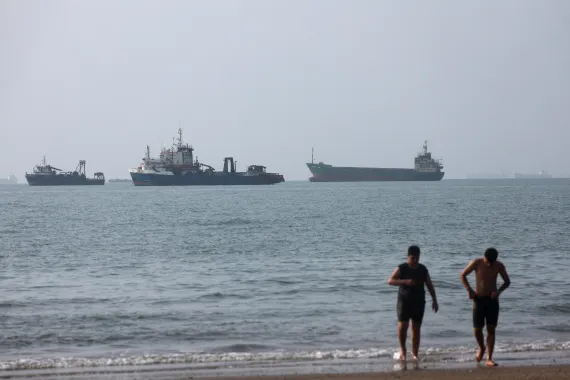
Oil prices have already risen as markets react to the growing possibility of further disruption to oil supplies from the region.
With both Washington and Tehran warning of further action, concerns are mounting that the latest confrontation could expand into a wider regional conflict.
The international community is now watching closely for Iran’s response and whether the United States will carry out further strikes.
The situation remains fluid, with more developments expected as tensions continue to rise.