


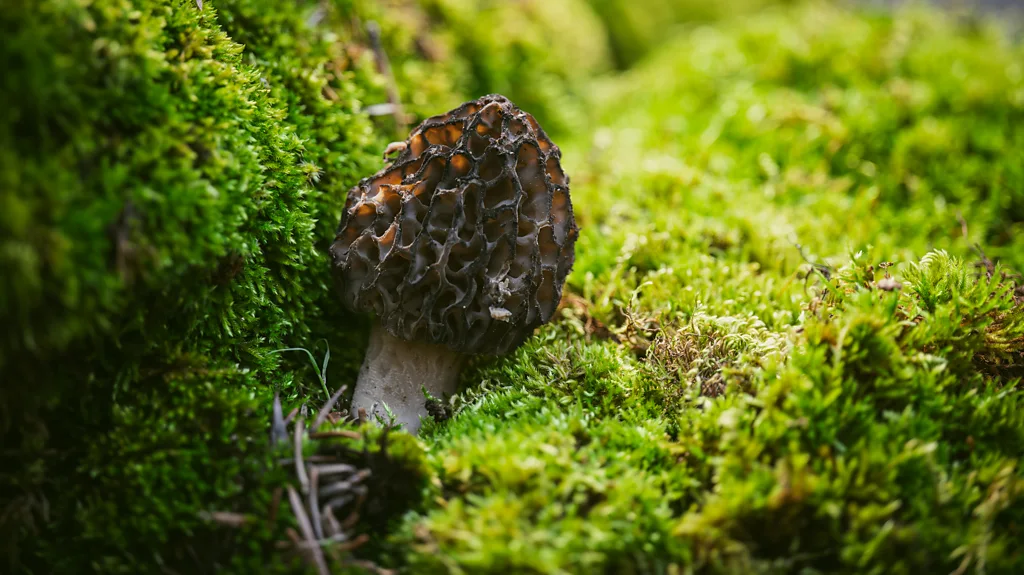
Foraging gives people access to unusual foods as well as the experience of harvesting them directly from nature. But could it be doing more harm than good?
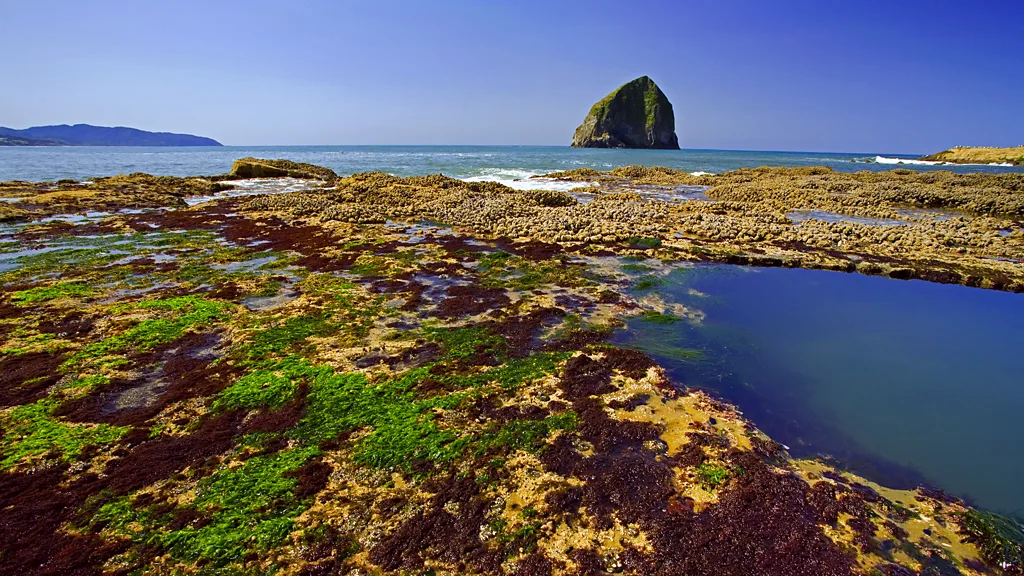
On an unseasonably warm April evening, I stand on a beach in southern England, lifting a soggy lump of seaweed to my nose. It smells sharp and tangy. The hard, flat fronds are logged with tufts of green vegetation, sea water and sand.
Apparently, this one is best fried.
I am taking part in a seaweed foraging course on the Jurassic Coast, and as we clamber along the shoreline, with the Sun taking us into golden hour and mist forming above the sand dunes, our guide Dan Scott gives us some more cooking advice. “This one becomes mucilagenous – snotlike, a great word – when you cook it,” he says, brandishing another sandy specimen.
As I pick the dry clumps of seaweed from some small rocks, then squeal in unison with a handful of the other course participants as we tease razor clams out from the sand with salt (and later release them), I ponder the bigger picture. Does foraging help us reconnect with nature? I’ve always assumed so. And what about the flip side? Is foraging good for the planet?
Scott is a member of the UK Association of Foragers and a guide with the company Fore/Adventure. He teaches us about seaweed anatomy (there’s the holdfast, stem and fronds), how to harvest without killing the weed (cut it with clippers, leaving some of the length behind), and how to recognise which types are edible.
He doesn’t recommend trying every edible option though. “Some of them are so maritime it’s like having seawater in your mouth,” he warns. Still, he says, the beach provides abundance. “If you have to survive on what nature gives you, it’s much easier if you are by the sea.”
Seaweed is considered a superfood, packed with important nutrients like potassium, iron and magnesium, and research has shown it can provide health benefits for people who are overweight or suffer from diabetes. Commercial seaweed cultivation is growing rapidly as countries seek to meet the growing demand for food and materials with a sustainable crop.
Foraging seaweed for your own plate is another thing altogether, however. Foraging involves gathering food from nature, where it has grown spontaneously rather than been planted. It is the oldest method used by humans to feed themselves and it is experiencing a huge resurgence. It is becoming an increasingly popular activity in the UK among ecologically aware people seeking to avoid fossil fuels, pesticides and herbicides, according to one study. In parts of the US, it’s become so popular that certain national parks, such as Death Valley, have imposed limits on the number of berries and nuts people can gather per day.
Many of us practice foraging without really thinking about it – picking blackberries, perhaps, or wild garlic. When I visit Sweden, my home country, we pick sweet blue bilberries in the summer, eating them as we go, and red, tart, cranberry-like lingonberries in the autumn, collecting them in big plastic buckets. Lingonberries are not nice to eat raw, so my mum makes jam, enough for the whole year. Bending down close to the ground to gather the berries is quiet, mindful and almost hypnotic work. We bring sandwiches and flasks with tea.
Most of the time, though, I live in central London and get my food neatly enclosed in plastic off supermarket shelves. Often, it has travelled miles and miles and is made from plants I don’t even know the appearance of. I find myself far away from the world that sustains me.
Foraging, though, even for people based in the city like me, can help connect people with nature, says Janani Sivarajah, an assistant professor at Université Laval in Quebec, Canada, who researches urban foraging.
“It brings people together, connects people to the land and to the forest,” she says. “Our human livelihoods had been dependent on forest resources for many, many years before we started building cities, before we started [living] in concrete houses. I think it brings us back to our roots… I guess that’s why people still do it.”